
Critical Jobs Only Commercial Electrical Contractors Should Handle
In the realm of commercial electrical work, ensuring the safety, efficiency, and compliance of electrical systems is paramount. Hiring professional commercial electrical contractors is crucial for managing jobs that demand specialized expertise, adherence to stringent safety standards, and familiarity with complex building codes. These projects are not suitable for general electricians, as commercial contexts often present unique challenges that necessitate specialized knowledge and skills. Throughout this article, we will explore the critical jobs that should be entrusted to commercial electrical contractors only. By doing so, businesses can safeguard their operations and maintain the integrity of their infrastructure.
Electrical System Design and Installation
When engaging in the design and installation of commercial electrical systems, understanding complex schematics is paramount. These schematics serve as blueprints, guiding the installation of systems with numerous interconnected components. Each aspect of the design must be meticulously planned to ensure that all electrical elements function harmoniously. A commercial electrical contractor brings expertise in deciphering these intricate schematics, ensuring that every connection is made precisely as intended. This skill is essential to prevent costly mistakes that could lead to system failures or safety hazards in commercial environments.
Commercial electrical projects are governed by stringent building and electrical codes designed to ensure safety and compliance. These codes are continuously updated to reflect the latest industry standards and technological advancements. A professional commercial electrical contractor is well-versed in these regulations and can navigate the labyrinth of codes relevant to specific projects. Their expertise ensures that all installations adhere to legal requirements, thus protecting businesses from potential fines and liability issues. By relying on professionals, businesses can ensure their electrical systems are not only functional but also compliant with the law.
In commercial spaces, electrical systems often need to integrate seamlessly with other building systems such as HVAC, security, and automation. This integration requires a deep understanding of how various systems interact and depend on each other for optimal performance. A commercial electrical contractor possesses the expertise to ensure that electrical installations support and enhance the functionality of other building systems. This holistic approach not only improves system efficiency but also contributes to energy savings and operational effectiveness across the board. Thorough integration safeguards against incompatibilities that could disrupt business operations or compromise safety.
Ensuring proper load calculations and balance is a critical aspect of designing commercial electrical systems. Improper load management can lead to overloading circuits, resulting in power outages or, worse, electrical fires. A competent commercial electrical contractor assesses the electrical load required for a building's operations and ensures it is evenly distributed across circuits. This careful planning prevents undue stress on the system and enhances its longevity. By maintaining load balance, businesses can operate smoothly and reduce the risk of costly electrical failures.
High-Voltage Electrical Work
High-voltage electrical work presents inherent risks that require meticulous safety protocols and risk management strategies. Adherence to safety standards is non-negotiable to prevent accidents and ensure the well-being of both the workforce and the public. Professional commercial electrical contractors possess an in-depth understanding of safety regulations and risk management practices specifically tailored for high-voltage work. They implement safety measures such as lockout/tagout procedures and personal protective equipment to mitigate risks. Their expertise in managing these critical aspects is crucial for maintaining operational safety while executing high-voltage tasks.
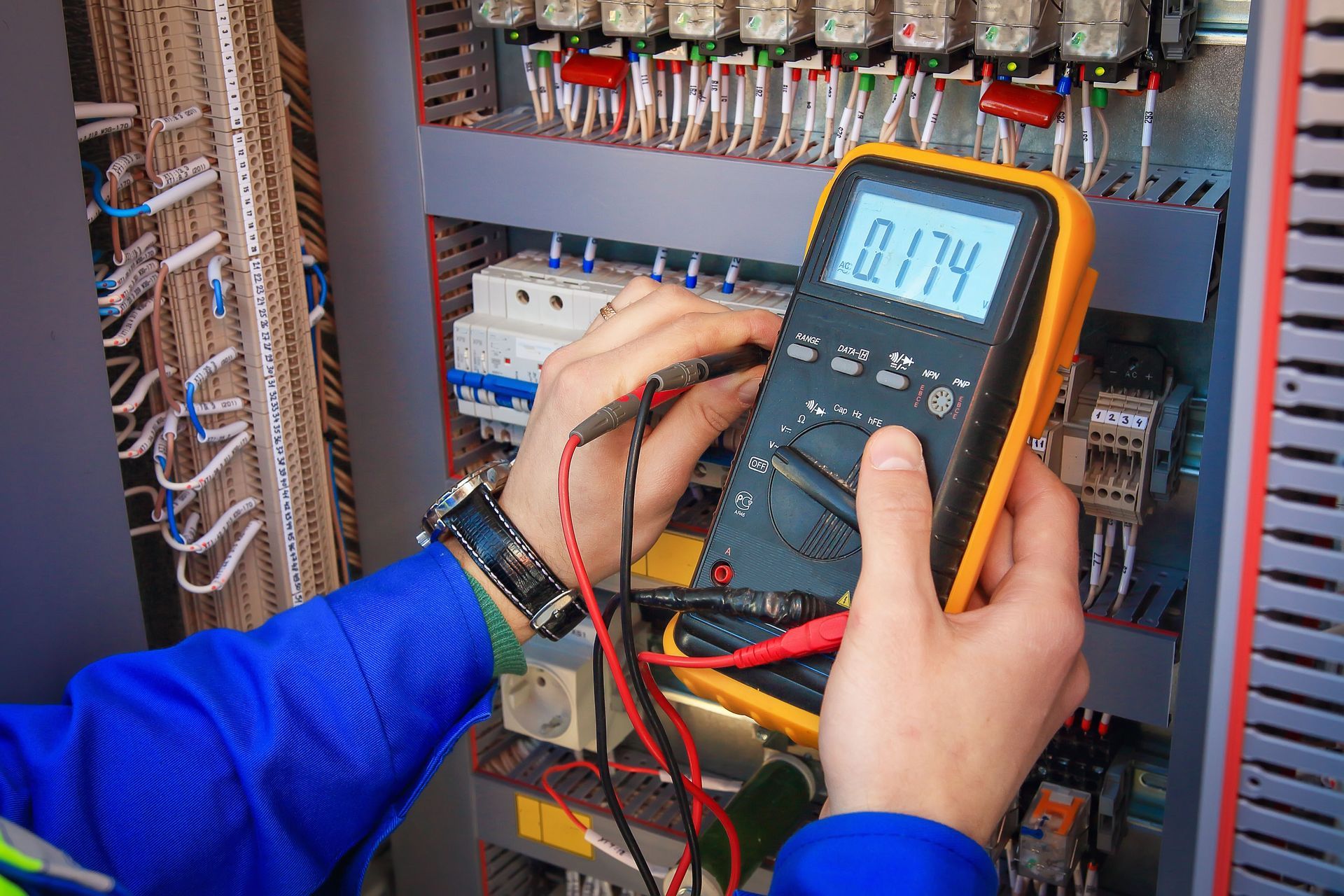
Handling high-voltage electrical systems necessitates the use of specialized equipment and tools designed to manage high electrical currents safely. These tools include advanced testing devices, insulated tools, and protective gear. Commercial electrical contractors have access to a range of specialized equipment not typically available to general electricians. This access ensures precision and safety in high-voltage installations and maintenance. By using the right tools, contractors can efficiently tackle complex electrical challenges and guarantee reliable outcomes.
Tasks involving high-voltage electrical systems demand a skilled workforce with extensive training and experience. Commercial electrical contractors invest in ongoing training and certification programs to ensure their personnel are well-equipped to handle high-voltage projects. This investment in workforce development translates to a heightened level of competency and expertise in the field. By employing skilled professionals, contractors are able to deliver high-quality work that meets the demands of complex high-voltage systems. Clients can be assured of the safety and reliability of the electrical solutions provided by a qualified team.
Electrical Maintenance and Troubleshooting
Preventive maintenance strategies are the bedrock of sustaining the functionality and longevity of commercial electrical systems. Commercial electrical contractors develop comprehensive maintenance plans that anticipate and address potential issues before they disrupt operations. These strategies involve routine inspections, cleaning, and testing of electrical components to identify and rectify problems in their early stages. Preventive maintenance not only ensures system reliability but also enhances safety by minimizing the risk of electrical failures. Businesses benefit from reduced downtime and lower repair costs through the implementation of proactive maintenance practices.
Diagnostic and testing equipment are essential tools for effective troubleshooting and maintenance of electrical systems. Commercial electrical contractors utilize advanced diagnostic devices to pinpoint issues with precision, ensuring accurate problem resolution. These tools allow contractors to conduct thorough inspections and evaluations of electrical components, reducing the likelihood of costly oversights. By leveraging cutting-edge testing equipment, contractors can ensure systems operate optimally and meet performance expectations. The reliability of diagnostic tools contributes to effective maintenance and repair interventions, minimizing system disruptions and ensuring optimal functionality.
Power failures can have a significant impact on commercial operations, leading to potential losses and disruptions. Commercial electrical contractors are equipped to address and resolve power failures promptly to restore normal operations. Their expertise allows them to diagnose the root causes of power failures efficiently and implement effective solutions. By leveraging their knowledge and experience, contractors minimize downtime and mitigate the financial implications of power outages. Businesses rely on these professionals to ensure rapid recovery from electrical disruptions, enhancing operational resilience and continuity.
Lighting System Design and Installation
The design of custom lighting solutions plays a pivotal role in creating functional and aesthetically pleasing commercial spaces. Commercial electrical contractors collaborate with designers and businesses to tailor lighting systems that meet specific requirements, including ambiance, functionality, and energy efficiency. They consider factors such as space layout, lighting levels, and visual comfort to create optimal lighting environments. Customized lighting solutions contribute to enhanced productivity and customer experiences within commercial spaces. By leveraging expert insights, businesses can achieve lighting systems that align with their operational goals and brand image.
Energy-efficient lighting options, with a focus on LED technologies, have become a mainstay in commercial settings for their economic and environmental benefits. Commercial electrical contractors guide businesses in selecting energy-efficient lighting solutions that align with their sustainability objectives. LED lighting, known for its longevity and reduced energy consumption, provides significant cost savings over time. Contractors ensure seamless integration of energy-efficient lighting systems that reduce operational expenses and environmental impact. This shift towards sustainable lighting practices enables businesses to bolster their green credentials while enjoying practical financial benefits.
Compliance with lighting codes is a key consideration in the design and installation of commercial lighting systems. These codes are designed to ensure safety, energy efficiency, and proper illumination levels in both interior and exterior settings. Commercial electrical contractors are well-versed in the latest codes and regulations, ensuring that all lighting installations meet legal requirements. Compliance with lighting codes is crucial for avoiding potential penalties and liability issues. By engaging professional contractors, businesses can ensure their lighting systems align with industry standards and legal obligations.
Hiring specialized
commercial electrical contractors is crucial for addressing critical jobs that require mastery of complex systems and adherence to stringent safety and regulatory standards. According to IBISWorld, there are 252,000 electrician businesses in the U.S. Their expertise spans a broad array of tasks, from design and installation to maintenance and compliance consultation. By engaging qualified professionals, businesses ensure the integrity, safety, and efficiency of their electrical systems. For commercial electrical contractors you can rely on, contact Glenwood Electric Inc today.


Share On: