
10 Ways a Commercial Electrical Contractor Boosts Your Workplace Safety
Workplace electrical hazards represent serious safety threats that cause injuries, fatalities, property damage, and business disruptions when systems fail or employees encounter dangerous conditions that proper maintenance and professional oversight would prevent. Many business owners underestimate the complexity of commercial electrical systems and attempt to address issues with unqualified personnel or defer necessary maintenance until problems become emergencies. Professional electrical contractors bring specialized expertise, proper equipment, regulatory knowledge, and systematic approaches that protect employees, customers, and property from the serious risks that electrical systems pose when not properly maintained. Understanding how qualified professionals enhance workplace safety helps business owners recognize that electrical service represents an essential safety investment rather than a discretionary expense. The comprehensive protection that expert electrical management provides justifies costs through prevented accidents, avoided downtime, regulatory compliance, and peace of mind that your workplace meets safety standards, protecting everyone who enters your facility.
1. Conducting Comprehensive Safety Inspections
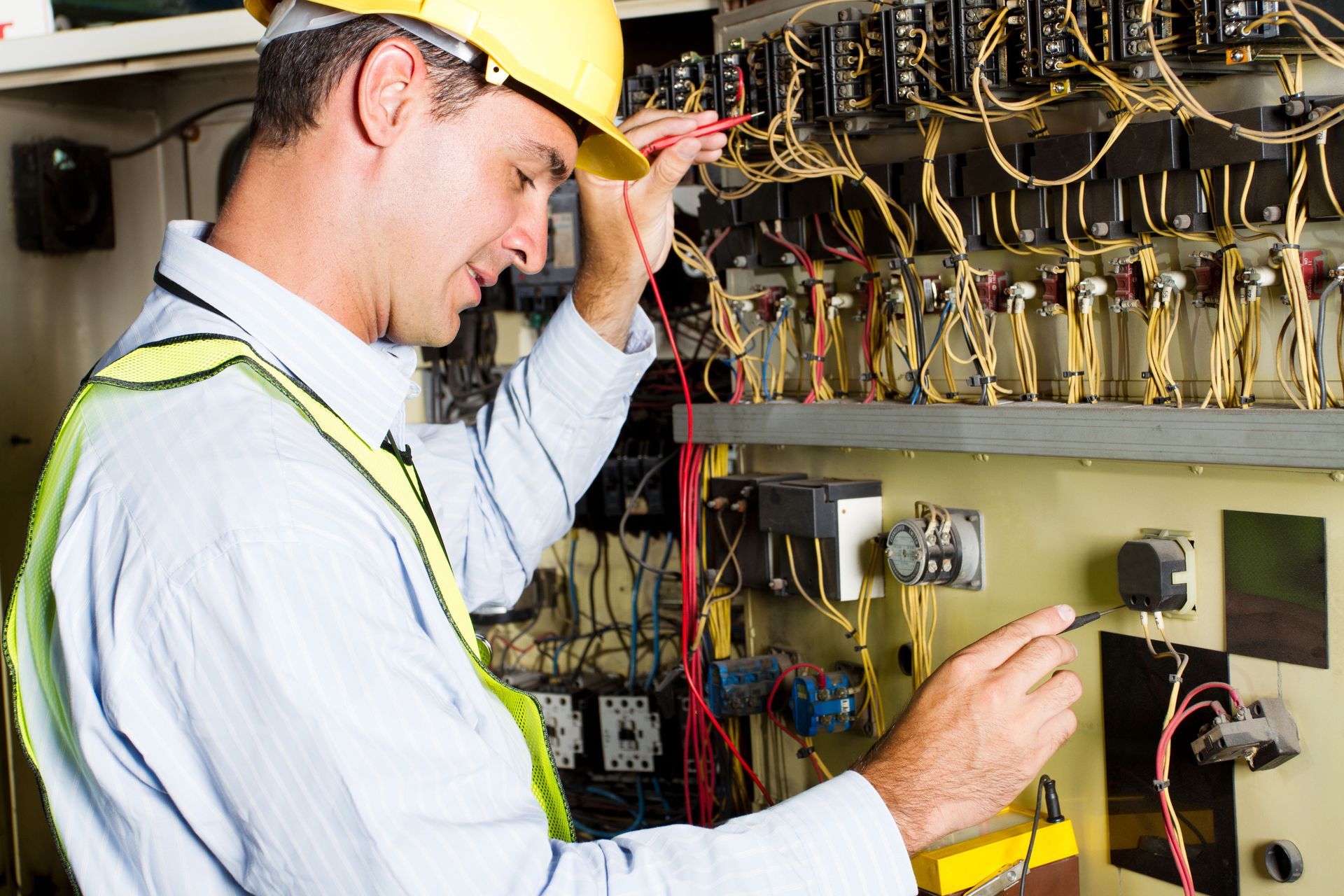
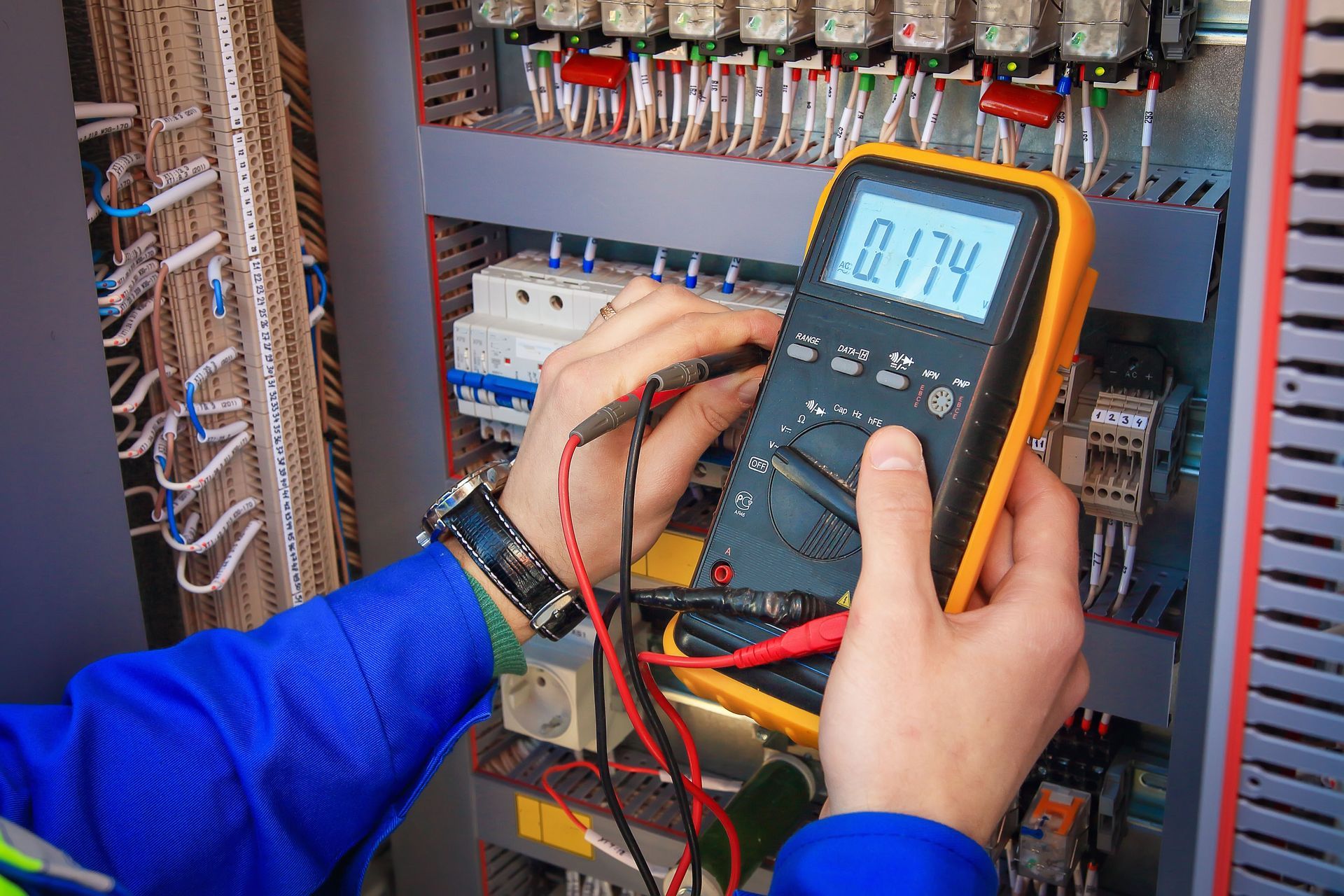
According to Atto, electrician employment is projected to grow by 8% from 2019 to 2029. A qualified commercial electrical contractor performs thorough inspections, identifying potential hazards including overloaded circuits, damaged wiring, inadequate grounding, outdated equipment, and code violations that create risks for fires, shocks, or electrocution. These systematic evaluations examine components that untrained personnel overlook, using specialized testing equipment that reveals problems invisible during casual observation. Professional inspections document findings, prioritize risks, and recommend corrective actions that address serious hazards before they cause accidents or emergencies. Regular professional evaluation ensures your electrical systems remain safe as equipment ages, usage patterns change, or previous installations deteriorate beyond acceptable safety thresholds requiring intervention.
2. Ensuring Code Compliance and Regulatory Standards
Electrical codes exist specifically to prevent fires, shocks, and other hazards, and professional contractors ensure your systems meet all applicable requirements that protect occupants and satisfy regulatory obligations. Codes change periodically as new safety knowledge emerges, and older installations may not meet current standards even if they complied when originally constructed decades ago. Inspectors during insurance reviews or occupancy permits verify code compliance, and violations can result in citations, increased insurance premiums, or requirements to cease operations until hazards are corrected. Working with a qualified commercial electrical contractor ensures your systems meet current standards, preventing the legal problems and business disruptions that code violations create when discovered during inspections or after accidents occur.
3. Upgrading Outdated and Dangerous Equipment
Older electrical panels, breakers, wiring, and components deteriorate over time and may lack modern safety features that protect against hazards that earlier equipment couldn't adequately address. Professional services identify outdated equipment requiring replacement and recommend modern alternatives with enhanced safety features, including arc fault protection, ground fault interruption, and proper capacity for current electrical demands. Upgrading prevents the fires and shocks that aged, deteriorating equipment causes when insulation fails, connections loosen, or components cannot handle the loads they carry in modern facilities.
4. Properly Sizing Circuits and Preventing Overloads
Overloaded circuits represent common hazards where excessive current flow heats wiring beyond safe limits, melting insulation and creating fire risks that endanger buildings and occupants. Many businesses add equipment over time without considering whether existing circuits can safely handle increased loads, creating dangerous conditions that professional evaluation would identify and correct. Properly trained contractors from a commercial electrical contractor firm calculate loads, verify circuit capacity, and recommend additions or reconfigurations, ensuring electrical systems safely handle all connected equipment without approaching dangerous overload conditions.
5. Installing Appropriate Safety Devices and Protection
Modern safety devices, including ground fault circuit interrupters, arc fault circuit interrupters, surge protection, and emergency disconnects, provide critical protection that older installations often lack, despite their proven effectiveness in preventing injuries and damage. Qualified professionals recommend and install appropriate protective devices based on specific hazards present in your facility and activities conducted in different areas requiring varying protection levels. These safety systems detect dangerous conditions and interrupt power before currents reach levels causing harm, providing automatic protection that doesn't rely on human intervention or awareness. The relatively modest investment in proper safety devices prevents the serious injuries, property damage, and legal liability that electrical accidents create when adequate protection doesn't exist.
6. Providing Proper Grounding and Bonding
Grounding systems safely direct fault currents to earth, preventing dangerous voltage buildup on equipment enclosures that could shock anyone touching them during electrical malfunctions. Improper grounding represents a serious but often invisible hazard since systems may appear to function normally despite lacking the critical safety connection that protects users during fault conditions. Professional contractors verify grounding integrity, ensure all equipment is properly bonded, and correct deficiencies that create shock hazards waiting to injure unsuspecting employees during routine equipment operation. This fundamental safety requirement often gets overlooked during amateur installations or modifications, creating risks that only qualified inspection and correction can identify and eliminate.
7. Implementing Lockout-Tagout Procedures
Expertise from a commercial electrical contractor includes establishing proper lockout/tagout procedures that prevent accidental equipment energization during maintenance work that could injure or kill workers servicing machinery. These safety protocols ensure power sources are properly isolated, verified de-energized, and physically prevented from re-energization until maintenance completes and all personnel have cleared dangerous areas. Professional guidance helps businesses develop appropriate procedures, train employees, and maintain compliance with OSHA requirements governing electrical safety during maintenance activities. Proper lockout/tagout prevents the tragic accidents that occur when equipment unexpectedly energizes while workers are exposed to normally protected live parts during maintenance or repair activities.
8. Training Employees on Electrical Safety
Professional contractors can provide or recommend appropriate safety training, ensuring employees understand electrical hazards, recognize warning signs, know proper procedures, and can respond appropriately to emergencies involving electrical systems. This education creates safety awareness that prevents accidents by teaching workers what they should and shouldn't do around electrical equipment and when to request qualified assistance. Training includes recognizing damaged equipment, understanding arc flash hazards, proper use of extension cords, and emergency response procedures that minimize injury and damage when electrical incidents occur.
9. Maintaining Emergency Power and Life Safety Systems
Emergency lighting, exit signs, fire alarms, and backup power systems provide critical safety functions during emergencies, and regular professional maintenance ensures these systems will operate when needed. Services from a qualified commercial electrical contractor include testing and maintaining life safety systems that building codes require and that protect occupants during fires, power failures, or other emergencies requiring evacuation or emergency response. These systems must meet specific performance standards and undergo regular testing that documents their readiness, providing proof of compliance that inspectors and insurance carriers require.
10. Documenting Safety Compliance and Inspection Records
Professional electrical services include documentation proving systems have been inspected, tested, and maintained according to applicable standards that regulatory agencies and insurance carriers require. These records demonstrate due diligence protecting businesses from liability claims, arguing negligence when accidents occur despite reasonable safety efforts. Proper documentation also facilitates insurance renewals, regulatory inspections, and property transactions where electrical system condition affects valuations and purchaser confidence. The professional record-keeping that a commercial electrical contractor provides creates the paper trail proving your safety investments and protecting against allegations that you neglected electrical safety responsibilities that business owners owe to employees, customers, and visitors.
Investing in professional electrical safety management protects the people who make your business successful while also safeguarding property, preventing downtime, ensuring regulatory compliance, and demonstrating the duty of care that responsible business ownership requires. The expertise that qualified contractors bring encompasses technical knowledge, regulatory understanding, safety awareness, and systematic approaches that untrained personnel cannot replicate, regardless of good intentions or general competence. Understanding how professional electrical management enhances safety helps business owners recognize these services as essential investments rather than optional expenses that can be deferred or eliminated. Whether you need commercial electric work or industrial electric work, Glenwood Electric Inc is licensed, brings 47 years of experience, and is OSHA certified. For more information, contact us today!

Share On: