
Commercial Electrical Contractor: How Preventive Maintenance Protects Commercial Operations
Modern commercial facilities rely heavily on continuous, dependable electrical power to support daily business operations, protect sophisticated technological infrastructure, and maintain consistent occupant safety. When an electrical disruption unexpectedly occurs, the resulting downtime can cause severe financial losses, compromised workforce productivity, damaged physical inventory, and potential safety hazards. Partnering with a skilled commercial electrical contractor enables organizations to design and execute proactive maintenance strategies that identify minor equipment flaws before they escalate into catastrophic failures. Scheduled system audits, thermal imaging scans, electrical panel evaluations, and load analysis ensure that power distribution systems remain resilient under demanding operational conditions. By shifting from reactive emergency fixes to routine preventative care, facility managers can secure critical business assets, optimize overall operational performance, and maintain uninterrupted workflows across all corporate departments.
Preventing Costly Operational Disruptions
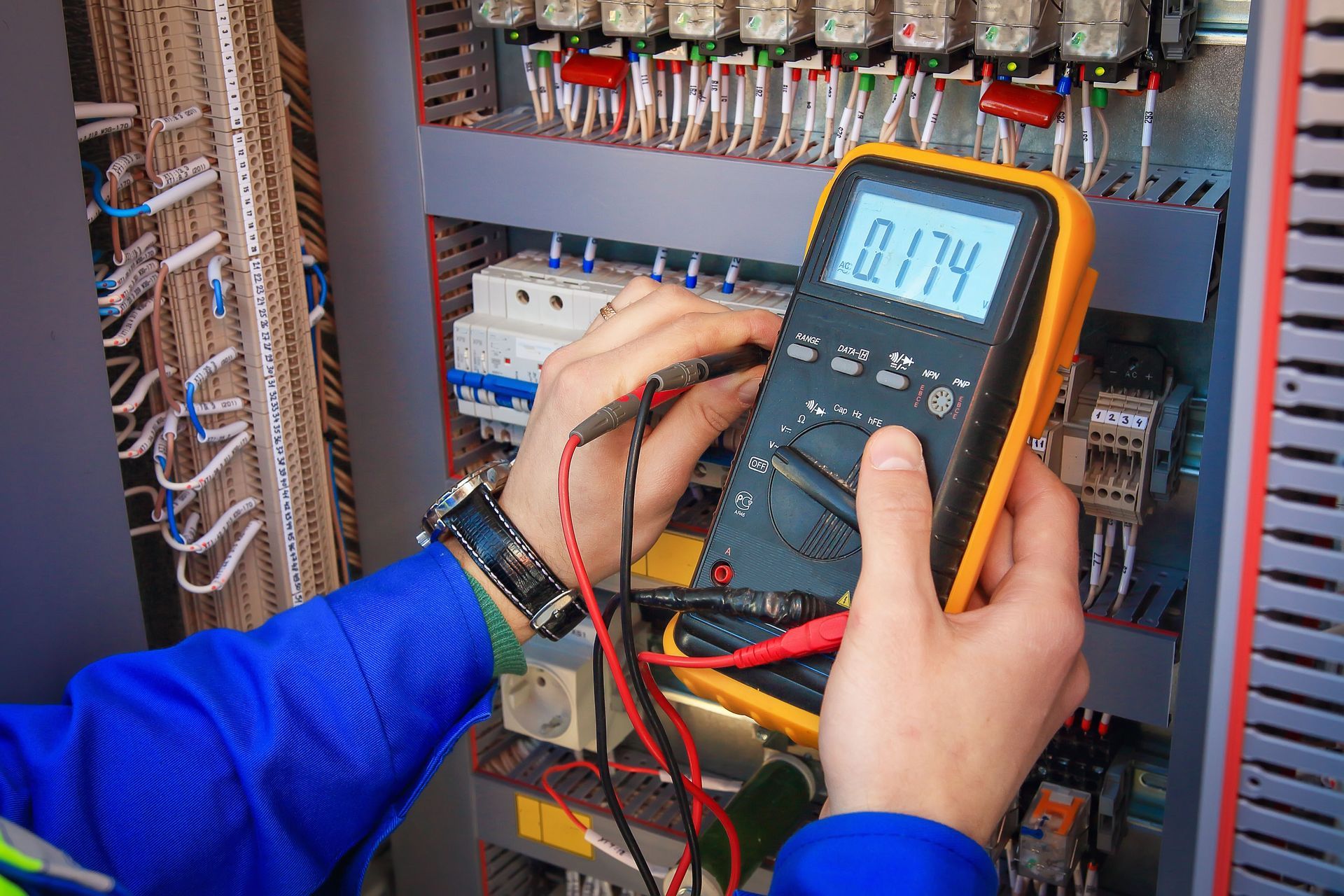
Unplanned electrical outages pose substantial financial and operational risks to commercial enterprises across all industry sectors. Unexpected power failures can instantly disrupt vital digital communications, halt automated manufacturing production lines, spoil temperature-sensitive inventory, and corrupt essential corporate database records. Scheduled evaluations performed by a qualified commercial electrical contractor significantly reduce the likelihood of unexpected equipment failure by uncovering hidden thermal anomalies, loose wiring connections, and overloaded circuits prior to severe breakdown. Highly trained service technicians utilize advanced diagnostic tools to examine distribution switchgear, panelboards, main transformers, and circuit breakers, verifying that every internal component operates within established safety parameters. This structured maintenance approach allows facility managers to arrange essential servicing during scheduled off-peak hours rather than facing chaotic emergency outages during critical business operations.
A proactive electrical maintenance schedule offers essential protection for organizational profitability while establishing long-term operational predictability. Emergency repair calls frequently involve elevated labor rates, expedited component shipping fees, and unexpected operational delays that disrupt client service delivery. Beyond direct repair expenditures, sudden voltage fluctuations and unexpected power drops can cause severe internal damage to sensitive electronic devices, necessitating full hardware replacement. Regular maintenance protocols help technicians establish precise baseline performance metrics, making it simpler to detect subtle operational deviations that indicate impending component failure. By resolving minor wear and tear during planned maintenance visits, commercial facilities prevent catastrophic operational shutdowns, safeguard capital investments, and maintain consistent service reliability year after year.
Enhancing Facility Safety Standards
Hidden electrical hazards present constant dangers to commercial properties, endangering physical structures, valuable corporate assets, and occupant safety. Degraded wire insulation, loose terminal screws, and overloaded panel circuits can generate intense thermal energy, creating serious fire hazards within building walls, utility closets, and power distribution enclosures. Engaging an experienced commercial electrical contractor for regular facility assessments ensures that all electrical systems strictly conform to established safety codes and national electrical standards. Professional electricians conduct comprehensive visual inspections alongside infrared thermography scans to locate concealed hot spots that signal dangerous electrical arcing or component overheating. Early identification of these physical defects neutralizes hazardous conditions before they can harm employees, facility visitors, or valuable physical assets.
Fulfilling corporate insurance policies and municipal safety regulations demands clear, documented evidence of regular electrical system servicing. Insurance underwriters frequently mandate routine maintenance inspections for high-capacity commercial electrical distribution networks to lower the probability of catastrophic property damage claims. Neglecting routine electrical maintenance can lead to complicated insurance claims processing, denied coverage, or substantial monetary fines following official workplace safety audits. Comprehensive service logs compiled by certified electrical professionals verify that a facility actively manages operational risks and maintains rigorous safety protocols. This detailed documentation demonstrates clear commitment to worker protection while shielding property owners from legal liabilities associated with preventable electrical incidents.
Optimizing Long Term Energy Efficiency
According to Ecmag.com, for the first time, commercial electricity consumption surpassed the residential sector, with a 2.2% growth estimate in 2026 compared to 0.5% for residential. As energy requirements throughout the commercial sector escalate, controlling utility expenditures becomes a vital operational goal for property administrators. Outdated, unbalanced, or poorly maintained power distribution networks frequently waste substantial electrical energy through excessive resistance, phase imbalances, and deteriorating insulation. Collaborating with a professional commercial electrical contractor allows facility managers to analyze real-time power consumption, rebalance electrical distribution loads, and eliminate unnecessary energy losses throughout the entire facility structure. Identifying inefficient power usage patterns helps companies optimize operational budgets and prevent unnecessary electrical grid strain.
Systematic energy management goes beyond monthly utility savings by improving overall system resilience and supporting organizational sustainability initiatives. Clean, balanced power delivery decreases physical stress on internal building components, preventing excessive heat accumulation and premature component degradation. Skilled technicians can evaluate commercial power systems to recommend targeted efficiency improvements, including automated lighting control systems, power factor correction equipment, and modern high-efficiency transformers. Optimizing overall power efficiency lowers corporate energy costs, reduces organizational environmental impact, and frees up vital capital resources that can be redirected toward core business growth and long-term operational expansion.
Extending Infrastructure Asset Lifespan
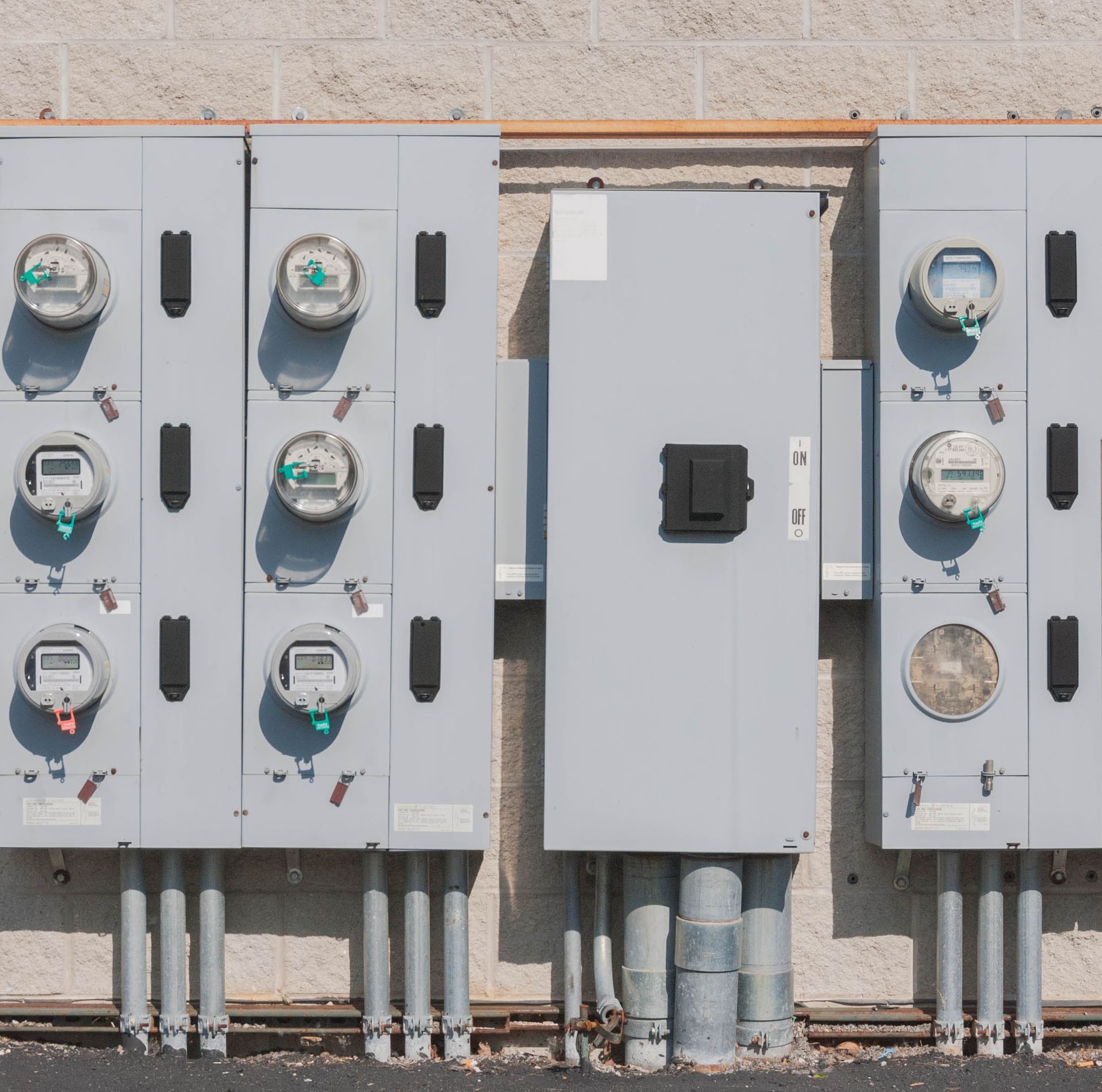
Commercial power distribution infrastructure represents a major capital investment designed to deliver reliable performance across decades of continuous service. Major system components, including main switchboards, distribution panels, motor control centers, backup generators, and step-down transformers, require meticulous maintenance to sustain operational reliability. Enlisting a trusted commercial electrical contractor to conduct regular preventative inspections ensures that electrical connections remain secure, clean, calibrated, and properly torqued. Removing environmental dust build-up, cleaning contacts, and checking connection integrity prevents premature equipment degradation driven by electrical resistance, vibration, and thermal expansion.
Replacing large-scale electrical distribution equipment demands considerable capital expenditure, extensive project engineering, and extended operational downtime that disrupts core business activities. Extending the service life of existing electrical infrastructure through routine maintenance yields a high return on initial capital investment and postpones expensive equipment replacement projects. Comprehensive maintenance records also enable facility management teams to track component degradation trends accurately, allowing organizations to plan and budget for future equipment upgrades well in advance. This strategic approach eliminates unexpected equipment breakdowns, smooths financial planning, and ensures that critical power distribution infrastructure operates reliably throughout its intended operational life.
Ensuring Continuous Regulatory Compliance
Commercial properties must comply with a complex network of municipal, state, and national electrical codes that undergo periodic revisions. Navigating these regulatory updates requires specialized technical knowledge to ensure that facility power distribution systems remain fully compliant over time. Working alongside an authoritative commercial electrical contractor ensures that all electrical installations, modifications, and routine maintenance activities comply with the latest industry codes and safety standards. Expert technicians conduct thorough compliance audits, identifying outdated hardware, non-compliant wiring practices, or inadequate grounding systems that could trigger compliance violations during municipal inspections.
Maintaining full regulatory compliance safeguards commercial enterprises from costly operational shutdown orders, municipal citations, and legal complications. Beyond avoiding regulatory penalties, adhering to current electrical codes enhances facility safety, optimizes system performance, and increases overall property market value. Professional electrical service partners maintain thorough documentation of all inspection findings, completed repairs, and system upgrades, providing property owners with ready proof of regulatory compliance. This proactive commitment to code adherence ensures seamless business operations, protects physical assets, and reinforces organizational reputation among clients, business partners, and regulatory authorities.
Implementing a structured preventative maintenance strategy is essential for protecting commercial properties against unexpected power disruptions, severe safety hazards, and inflated operational expenses. Routine electrical evaluations, advanced thermal diagnostics, and proactive equipment maintenance guarantee that commercial facilities remain safe, energy-efficient, and fully compliant with modern industry standards. Establishing an ongoing partnership with a dependable commercial electrical contractor provides facility managers with the technical expertise needed to maintain uninterrupted power distribution and protect vital capital infrastructure. To learn more about customized preventative maintenance solutions designed to keep your facility operating safely and efficiently, contact Glenwood Electric Inc.


Share On: